
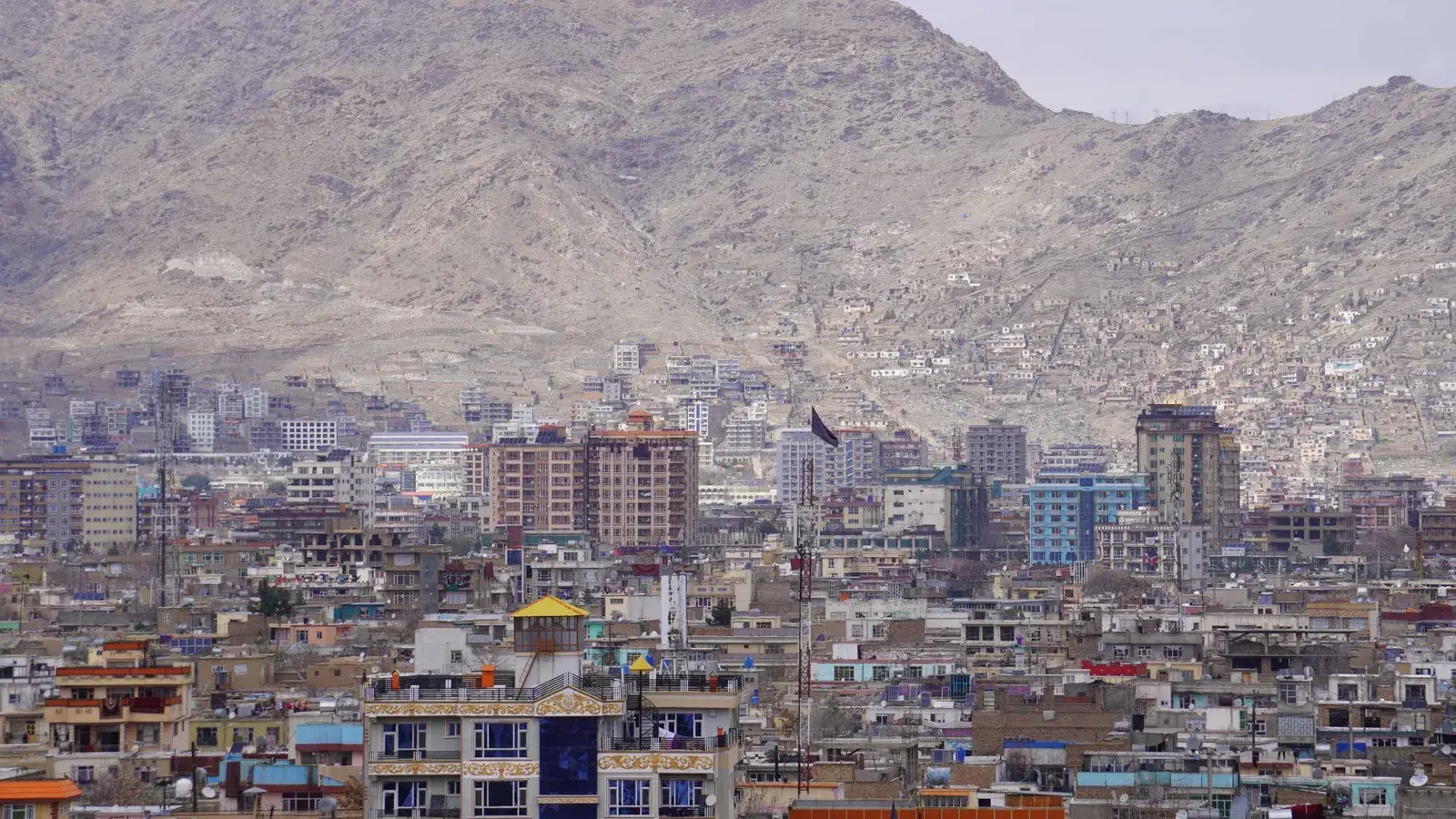
Afghanistan Internal Relocation Evidence: What Country Information Should Address in an Asylum Case
What Afghanistan country information should cover when internal relocation is in issue: the reach of the risk, the proposed destination, Kabul, gender, support, documentation and current Home Office material.
Internal relocation can be an important issue in an Afghanistan asylum case where the evidence concerns whether a person could reasonably avoid an identified risk by moving to another part of the country. Assessing this issue requires more than identifying a city or province where the particular threat is not currently reported.
For immigration solicitors, relevant country information should help decision-makers understand the relationship between the individual's profile, the nature of the alleged risk, the proposed location and the practical conditions that may affect relocation.
This article considers the main Afghanistan country information issues that may need to be examined when internal relocation is relevant to an asylum claim.
Disclaimer: This article provides general information about Afghanistan country conditions and expert evidence. It is not legal advice and does not determine whether a particular person can relocate safely or reasonably. Country conditions and applicable guidance can change, so current and case-specific evidence should be considered.
Why Internal Relocation Requires Case-Specific Country Evidence
Internal relocation is not simply a question of whether a person could physically travel from one Afghan province to another.
The assessment may involve several connected questions, including:
- Whether the identified risk exists throughout Afghanistan or is geographically concentrated
- Whether the person could realistically reach and enter the proposed area
- Whether the proposed location could expose the person to a different or continuing risk
- Whether the person's personal characteristics affect the feasibility of relocation
- Whether the person would have access to accommodation, livelihood opportunities and essential services
- Whether documentation or identification issues could create practical difficulties
- Whether the person has family, community or other support available in the proposed location
- Whether conditions in the proposed location have changed since earlier country information was published
The current UK Home Office Afghanistan Country Policy and Information Note on fear of the Taliban states that decision-makers must consider claims individually, taking account of each case's specific facts. It also addresses internal relocation according to the nature of the risk relied upon.
This makes the relevance and currency of the underlying Afghanistan country information particularly important.
What Does Internal Relocation Evidence Need to Address?
Country information should not be treated as a substitute for an assessment of the individual case.
Instead, it can provide the factual context needed to examine questions such as:
- What conditions exist in the proposed place of relocation?
- Is the alleged source of risk capable of reaching the person there?
- Would the person's profile create additional risks in that location?
- Could the person realistically establish themselves there?
- Would relocation create materially different conditions from those in the person's area of origin?
- Are there relevant changes in the security, legal, economic or humanitarian environment?
A country expert may therefore be asked to address specific factual questions rather than simply provide a general overview of Afghanistan.
Geographic Scope of the Alleged Risk
One of the first issues is the geographic nature of the risk relied upon in the claim.
For some cases, the alleged risk may be closely connected to a particular individual, family, local dispute or community. In other cases, the evidence may concern an actor or set of conditions extending across substantial parts of Afghanistan.
The distinction can be important.
Depending on the case, country evidence may need to consider:
- The geographic reach of the relevant actor
- Whether information-sharing or identification mechanisms may operate beyond the person's home area
- Whether the person's profile is likely to remain identifiable after relocation
- Whether local networks could assist in locating the individual
- Whether the relevant risk is linked to the person's identity, background, previous activities or relationships
- Whether the proposed destination has materially different conditions
The current Home Office CPIN distinguishes between risks arising from the Taliban as the de facto state authorities and certain risks arising from individual Taliban members in the context of personal disputes, feuds or rivalries. It states that where a person has a well-founded fear of persecution or serious harm from the Taliban as the de facto state, internal relocation is unlikely to provide a means of escaping that risk.
This illustrates why an internal relocation assessment should be connected to the specific risk relied upon rather than based solely on geography.
The Proposed Destination Matters
An internal relocation assessment should identify the location being considered.
General statements about "relocation elsewhere in Afghanistan" may not provide sufficient country context where a particular destination is being proposed.
Depending on the case, relevant country information may include:
- Security conditions in the proposed area
- Local governance and administrative arrangements
- Conditions affecting the relevant ethnic, religious or social group
- Access to housing
- Employment and income opportunities
- Access to healthcare
- Education where relevant
- Transportation and movement
- Documentation and administrative issues
- Availability of family or community support
- Humanitarian conditions
- Conditions affecting women, children or other relevant groups
The purpose is not necessarily to predict what will happen to an individual. Rather, the evidence can help establish the country conditions against which the individual's circumstances can be considered.
Kabul and Internal Relocation
Kabul can require particular attention because it has historically been considered in Afghan internal relocation assessments.
The current Home Office CPIN on fear of the Taliban refers to the country guidance case AS (Safety of Kabul) Afghanistan (CG) [2020] UKUT 130 (IAC) and sets out the circumstances considered in that guidance. The same CPIN explains that the assessment of internal relocation depends on the nature of the risk relied upon.
The current Home Office humanitarian CPIN separately addresses relocation to Kabul. It states that internal relocation to Kabul is likely to be reasonable for single men in good health and unlikely to be reasonable for lone women and female heads of household. It also notes the relevance of the existing country guidance and individual circumstances.
Where Kabul is proposed as a relocation destination, evidence may therefore need to distinguish between:
- Existing country guidance
- Current security conditions
- Current humanitarian and economic conditions
- The individual's sex and family circumstances
- Health and other relevant personal circumstances
- Access to accommodation and support
- The person's ability to establish themselves in Kabul
- Any other case-specific factors relevant to the assessment
These are matters for the relevant legal assessment and should not be presented as a prediction of the outcome of an individual asylum claim.
Gender and Internal Relocation
Gender can be particularly relevant to internal relocation evidence.
Country information concerning women and girls in Afghanistan may cover restrictions affecting movement, employment, education, access to services and participation in public life. The relevance of those conditions will depend on the individual's circumstances.
For example, a relocation assessment concerning a lone woman may require different country information from an assessment concerning a single adult man.
The current Home Office humanitarian CPIN specifically distinguishes between single men in good health and lone women or female heads of household when considering internal relocation to Kabul.
Country expert evidence should therefore avoid treating internal relocation as a gender-neutral question where the individual's circumstances make gender relevant.
Family and Community Support
The availability of support can be an important factual consideration.
Depending on the case, country information may help explain:
- The practical role of extended family networks
- The importance of community connections
- Whether a person without local connections may face additional difficulties
- How accommodation may be obtained
- How employment or income may be accessed
- Whether particular groups may face additional barriers to establishing themselves without existing support
However, general information about Afghan family or community structures should not automatically be treated as proof that a particular individual will have or lack support.
Expert evidence should distinguish between general country conditions and facts that must be established from the individual's own evidence.
Housing and Livelihood
Relocation may also raise practical questions about whether a person could establish themselves in the proposed location.
Relevant country information may include:
- Housing availability
- Rental arrangements
- Employment conditions
- Informal work
- Income opportunities
- Cost-of-living pressures
- Access to food and essential goods
- Availability of humanitarian assistance
- Economic barriers affecting particular groups
The current Home Office humanitarian CPIN considers the wider humanitarian situation and addresses internal relocation to Kabul.
An expert report should avoid turning general economic information into a definitive conclusion about an individual's ability to survive or establish themselves. Age, health, skills, family circumstances, documentation and other relevant evidence may affect the assessment.
Documentation and Identification
Documentation can also be relevant to internal relocation.
Depending on the individual's circumstances, country information may need to consider:
- Availability and use of identity documents
- Registration or administrative requirements
- Access to administrative services
- Whether documentation may be required for particular activities
- Practical difficulties associated with obtaining replacement documents
- Whether a person's previous identity or background could remain identifiable
These issues may be particularly relevant where the proposed relocation depends upon access to housing, employment, government services or other forms of assistance.
The significance of documentation should be considered against the individual's evidence and the particular destination being proposed.
Security Conditions in the Proposed Area
Security evidence should be sufficiently specific to the location and time period under consideration.
Afghanistan's security environment can change, meaning older information may not accurately describe current conditions.
Relevant country information may consider:
- Patterns of violence
- Conflict or security incidents
- Localised threats
- Activities of armed groups
- Risks affecting civilians
- Risks affecting particular groups
- Changes in territorial or administrative control
- Whether security conditions differ between urban and rural areas
The purpose is not simply to establish whether an area is described as "safe" or "unsafe". Such labels can obscure important differences in the type, frequency and geographic distribution of risks.
Humanitarian Conditions and Access to Essential Services
Internal relocation can also require consideration of humanitarian conditions.
Relevant evidence may concern:
- Food security
- Access to healthcare
- Housing
- Water and sanitation
- Employment
- Education
- Humanitarian assistance
- Displacement
- Economic pressures
The current Home Office humanitarian CPIN considers the wider humanitarian situation and separately addresses internal relocation.
Where humanitarian conditions are relied upon, the analysis should remain tied to the relevant legal and factual questions rather than assuming that difficult conditions automatically establish an individual protection claim.
Internal Relocation and Particular Profiles
Internal relocation evidence may need to be tailored to the person's particular profile.
Potentially relevant characteristics can include:
- Sex and gender
- Age
- Family circumstances
- Ethnicity
- Religion
- Political or other past activities
- Previous employment
- Former association with government or security institutions
- Disability or health-related circumstances
- Education and employment skills
- Documentation
- Family or community connections
- Previous displacement
Not every factor will be relevant in every case.
A country expert's role is generally to explain the country context and, where instructed and supported by the available evidence, assess how that context may relate to the individual's profile.
Why Current Country Information Matters
Afghanistan country conditions can change over time.
The UK Home Office's Afghanistan Country Policy and Information Notes collection was updated on 15 May 2026 and includes separate material concerning fear of the Taliban, the humanitarian situation, unaccompanied children and healthcare and medical treatment.
The Home Office's current fear of the Taliban CPIN was updated on 15 May 2026 and states that decision-makers must consider claims on an individual basis, taking account of the specific facts of each case.
For this reason, an internal relocation assessment should identify the date and scope of the country information being relied upon.
Older sources may still be relevant where they establish historical context or describe continuing conditions, but they should not automatically be assumed to represent the current situation.
What an Afghanistan Country Expert Report May Address
Where expert evidence is instructed, an Afghanistan country expert may be asked to address specific country-context questions relevant to the proposed relocation.
Depending on the instructions and evidence available, this may include:
The Proposed Destination
The report may examine relevant conditions in the specific city, province or region identified for relocation.
The Relevant Risk
The expert may consider whether the reported source and nature of risk are consistent with available country information and whether that risk appears geographically limited or broader.
The Individual's Profile
The analysis may consider whether characteristics such as gender, ethnicity, previous employment, family circumstances or other relevant features have significance in the proposed location.
Practical Relocation Conditions
The report may address country information concerning accommodation, employment, documentation, healthcare, transportation, support networks and other relevant practical conditions.
Changes Over Time
Where appropriate, the report can identify significant changes between older sources and more recent country information.
Sources and Limitations
A properly structured report should identify the sources relied upon and distinguish documented country information from professional opinion and from facts that depend on the individual's own evidence.
How Solicitors Can Instruct on Internal Relocation
Clear instructions can help ensure that expert evidence addresses the actual issue in dispute.
Instructions may identify:
- The proposed relocation destination
- The alleged source of risk
- The relevant events in the individual's history
- The individual's personal characteristics
- Family and support arrangements
- Documentation held or available
- Relevant employment or education history
- Any health or disability issues that are relevant to the instructions
- The specific internal relocation questions requiring expert evidence
The report should then address the questions within the expert's area of expertise and avoid making the ultimate legal determination for the decision-maker.
Solicitors considering country expert evidence can also review the Afghanistan Country Expert FAQ for further information about the role and scope of Afghanistan country evidence.
A Structured Approach to Afghanistan Internal Relocation Evidence
A useful internal relocation assessment can be structured around five connected areas:
- The source of risk Identify who or what is said to create the risk and whether that risk is geographically limited.
- The proposed destination Examine the current country conditions in the specific location being considered.
- The individual's profile Consider which personal characteristics may affect the relevance of those conditions.
- Practical circumstances Examine issues such as housing, livelihood, documentation, healthcare, movement and support where relevant.
- Current evidence Check that the country information reflects the relevant period and distinguish current evidence from historical material.
This approach can help keep country evidence focused on the actual internal relocation issue rather than producing a broad country report that does not address the questions arising in the case.
Conclusion
Afghanistan internal relocation evidence should be specific, current and connected to the individual's circumstances.
For immigration solicitors, relevant country information may include the geographic reach of the alleged risk, conditions in the proposed destination, security, governance, gender and other profile-specific issues, documentation, accommodation, livelihood, access to essential services and the availability of relevant support.
Current Home Office material confirms that internal relocation assessments depend on the nature of the alleged risk and the specific facts of the individual case.
Where country expert evidence is required, the report can provide structured country context while leaving the ultimate legal assessment to the relevant decision-maker.
For information about Afghanistan country expert reports and the instruction process, visit the Afghanistan Country Expert home page.